


Go Back
News
News
How YCIS Chongqing Primary Caters to Every Learner
News
05 Nov, 2026
10 : 33
When we discuss international school admissions with parents, we often find that their doubts fall into two camps:
- "My child is starting from zero. Will they be completely lost in a fully English classroom?"
- "My child is a native English speaker. Will they be 'starved' for a challenge at your school?"
Within our learning communities at YCIS Chongqing Primary, we firmly believe that every child possesses a unique voice and the potential to succeed. Catering to a student body as diverse as ours—spanning various cultural and linguistic backgrounds—we never use a one-size-fits-all approach. Today, let’s explore how YCIS Chongqing paves a tailored English pathway for students, regardless of their starting point.
01 Targeted Assessment: No "One-Size-Fits-All" Approach
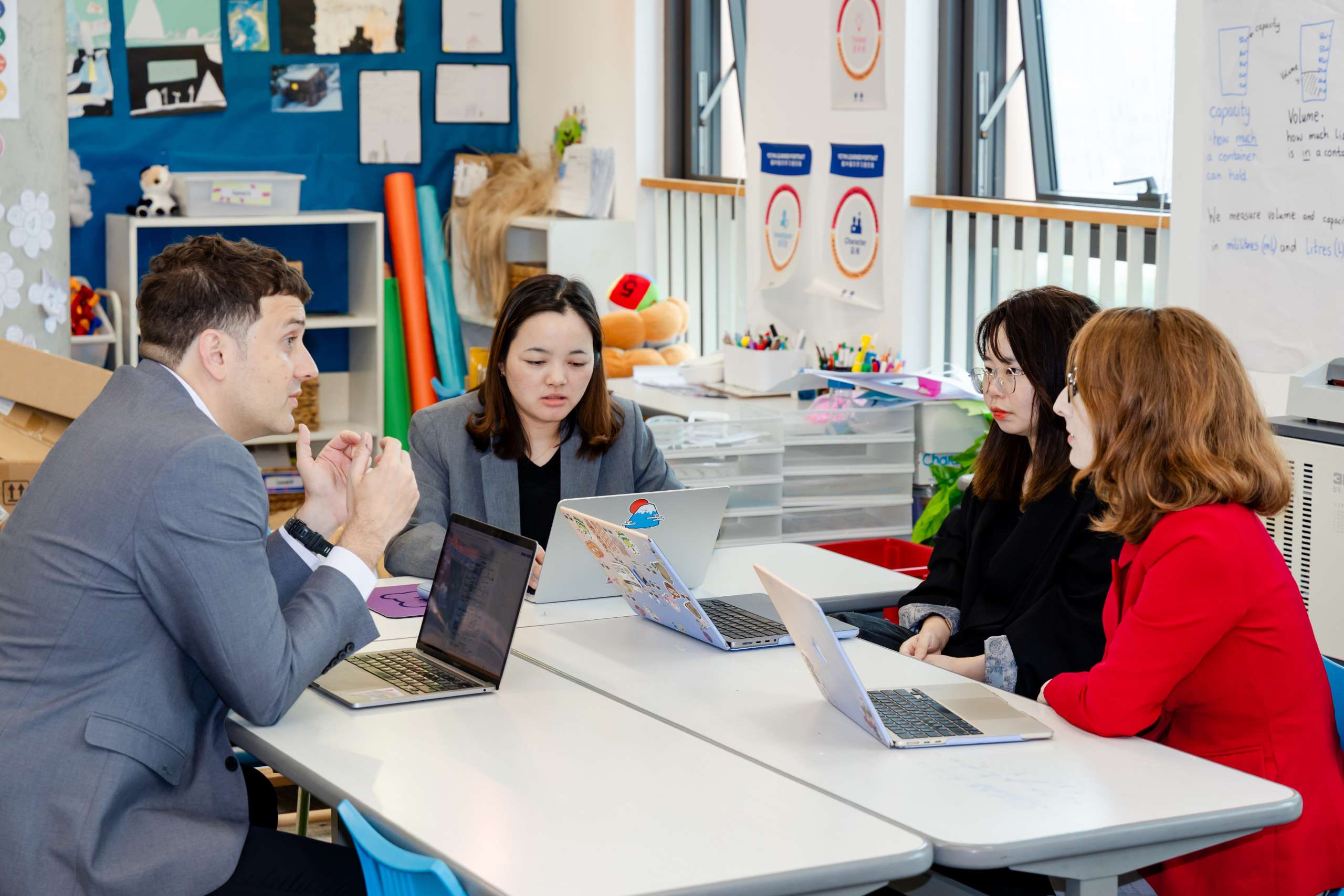
Whether a child’s mother tongue is Chinese, German, Japanese, or English, the very first step at YCIS is a precise academic assessment. Our English support system is built on a foundation of thorough, ongoing assessment. From the moment a student joins our community, our dedicated language team carefully evaluates their individual strengths and needs.
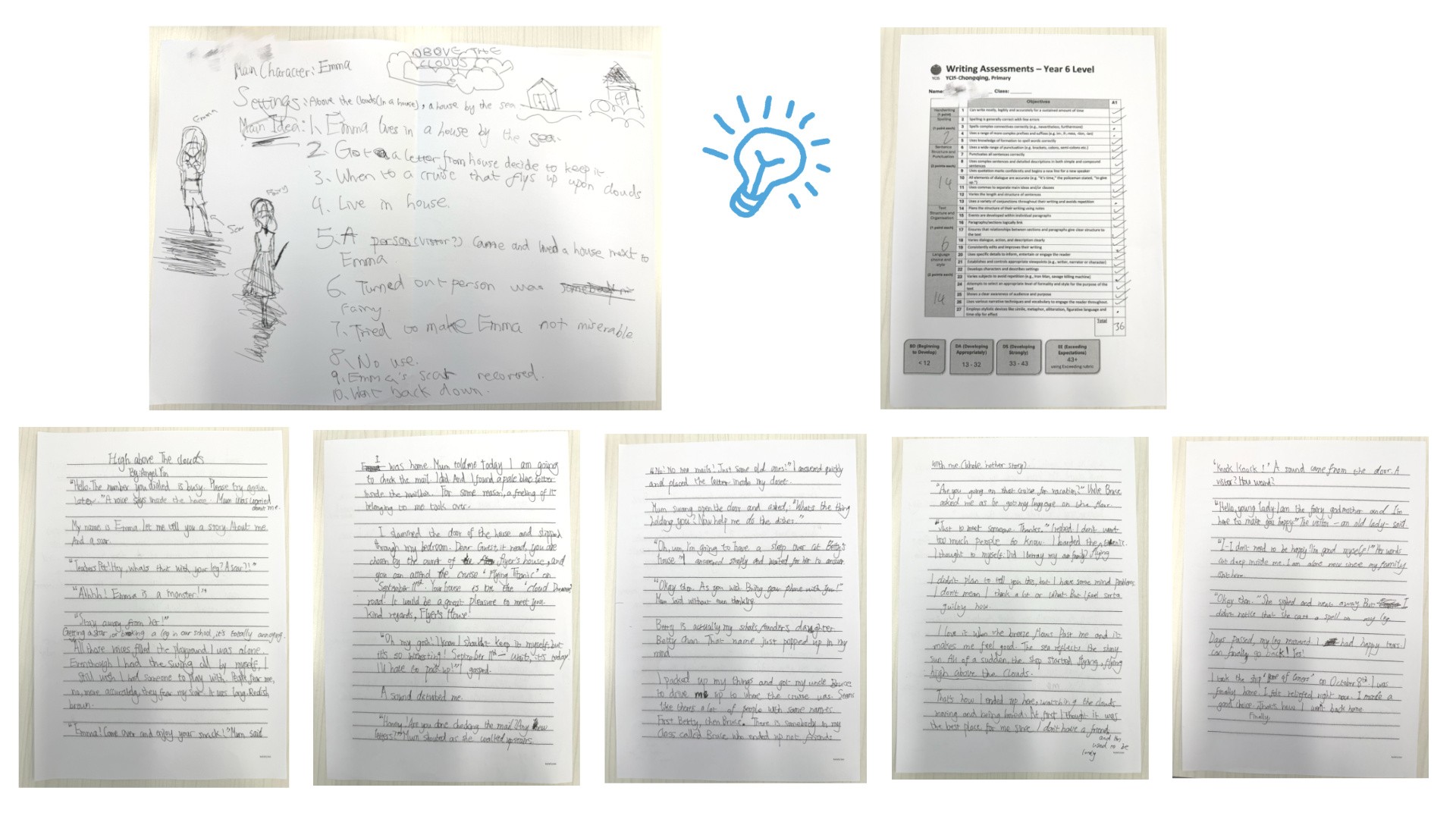
By combining IXL (I Excel Learning) monthly reading assessments (Years 1–6), CEM (Centre for Evaluation & Monitoring) data, and regular prompt-based writing assessments (six per year), teachers hold structured "Data Sprints." This isn't about labeling children; it's about pinpointing exactly:
- Which students need extra language scaffolding?
- Which students already possess strong academic English and need higher-level challenges?
02 Dual-Track Support: Scaffolding & Advanced Challenges
Following assessment, we provide multi-track support tailored to students' distinct starting points:
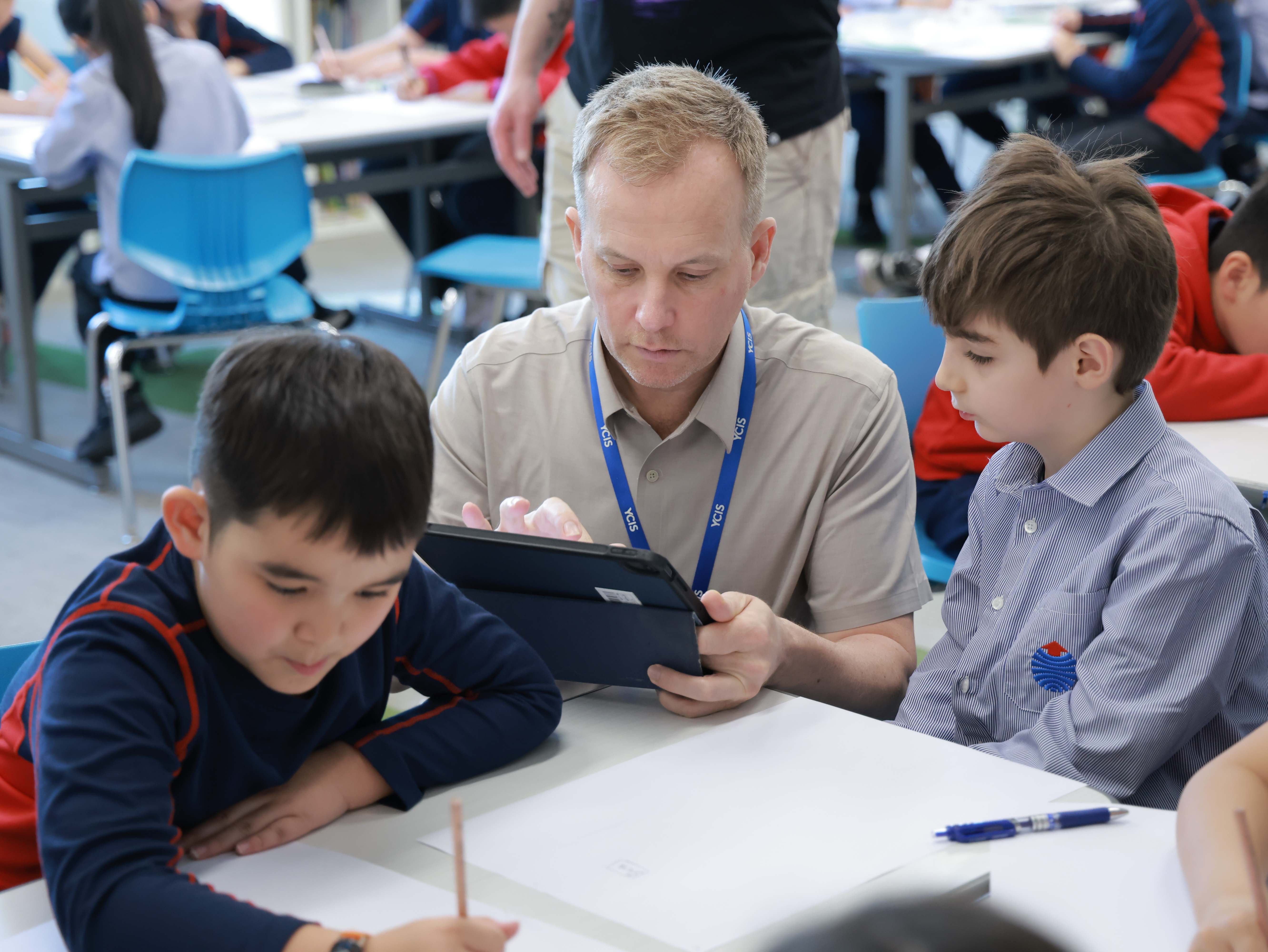
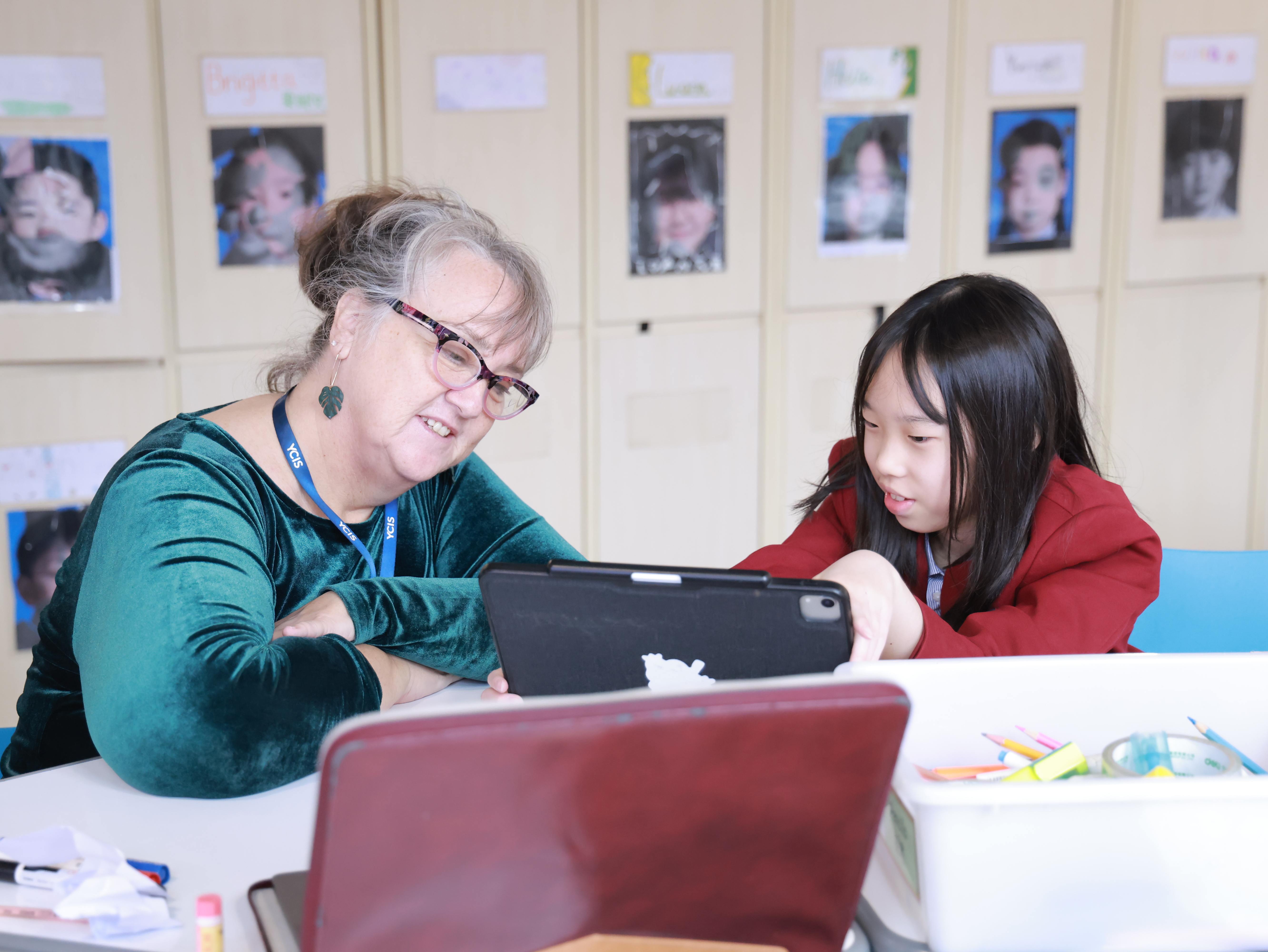
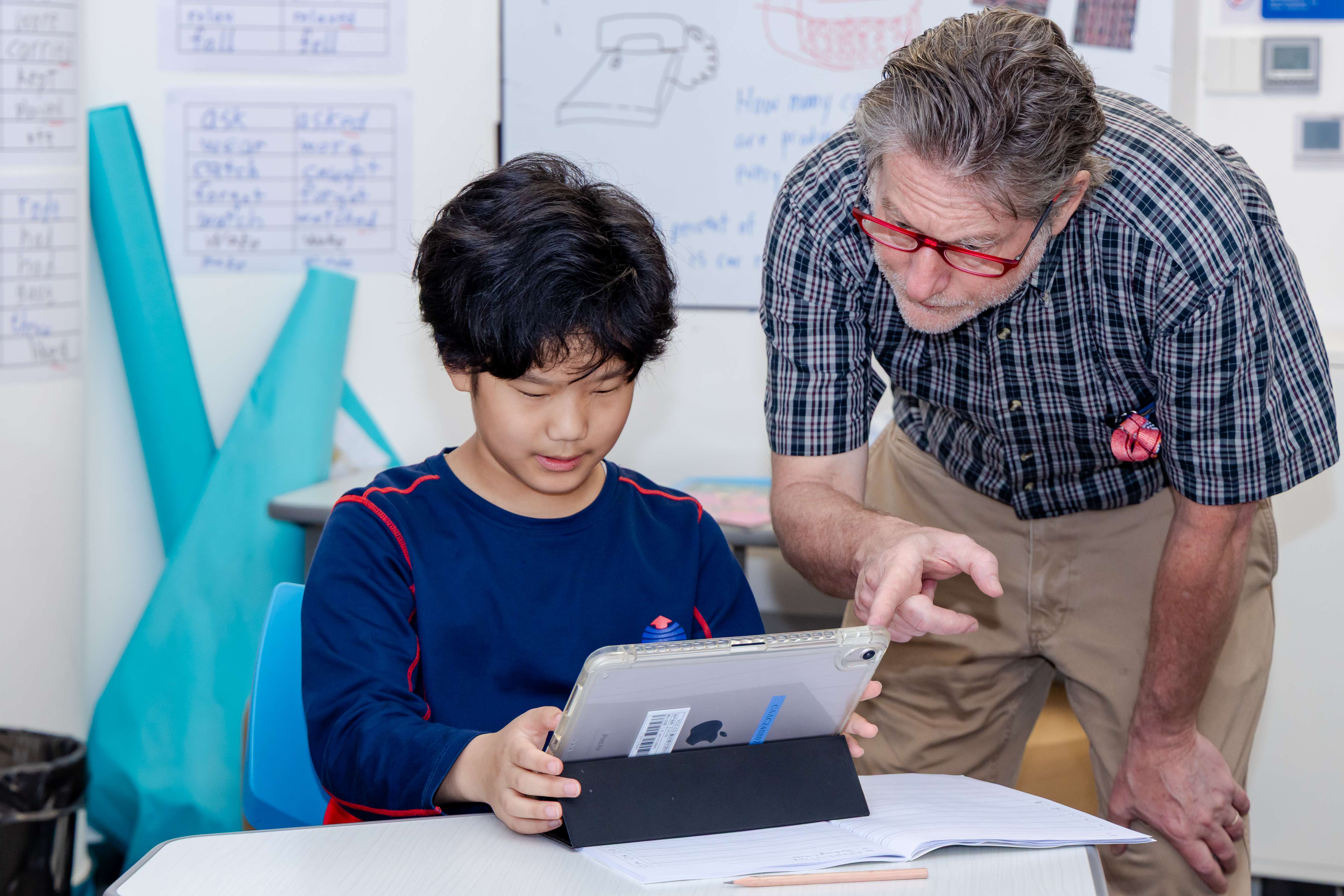
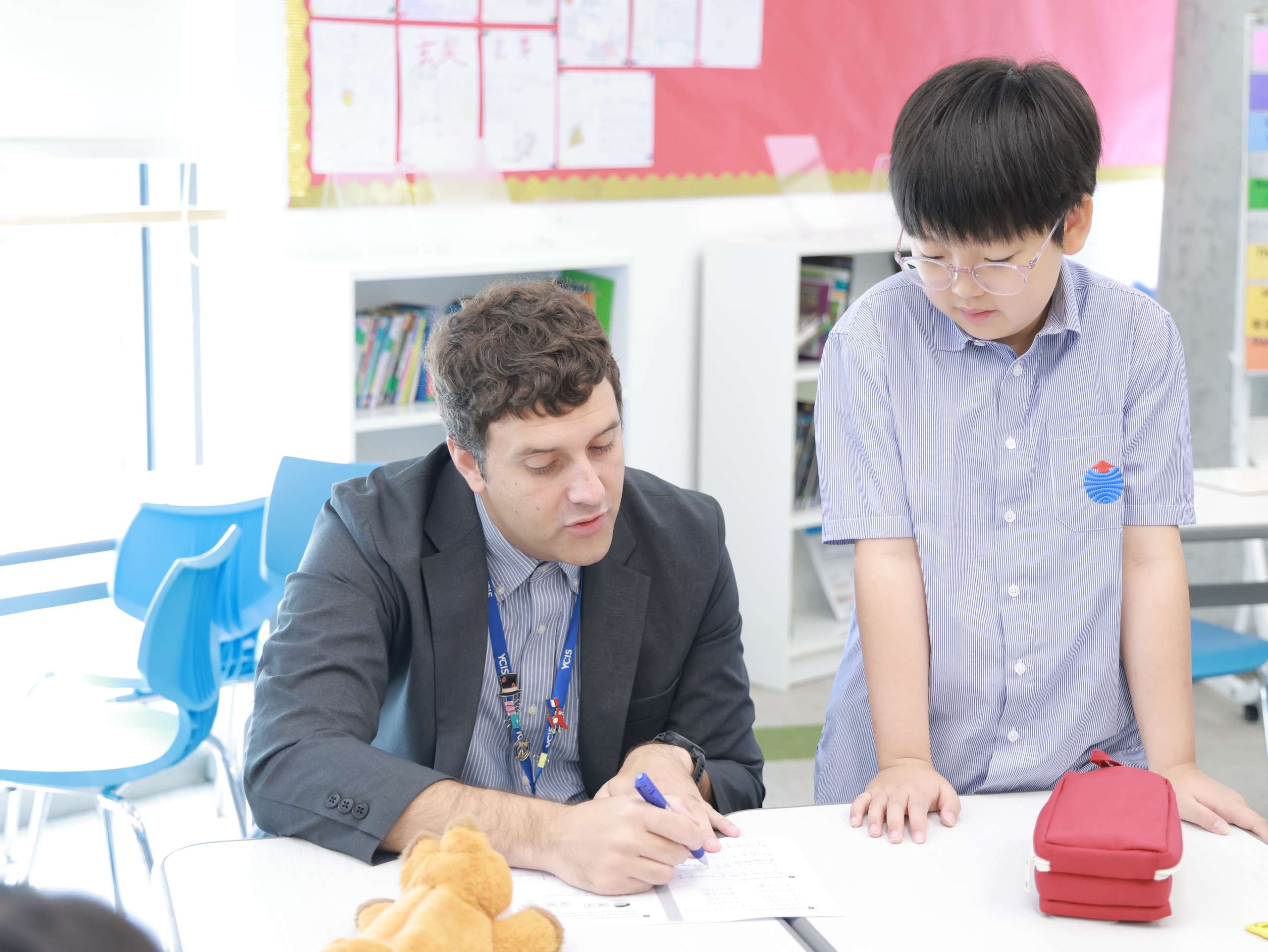
- For students building their English foundation: We provide targeted pull-out sessions for intensive language development alongside collaborative inclusion support within the mainstream classroom. English as an Additional Language (EAL) teachers work hand-in-hand with mainstream teachers to integrate language support into daily lessons. Furthermore, we employ a Response to Intervention (RTI) framework, monitoring progress closely and adjusting strategies to ensure students transition smoothly and confidently into the mainstream academic program.
- For advanced English speakers: We ensure these students are never "left standing still." In mainstream classrooms, teachers provide them with higher-level reading materials, rich literary analysis tasks, and cross-disciplinary inquiry challenges. For them, English is not just a communication tool, but a sharp instrument for developing critical thinking, analysis, and academic depth.
03 Embracing Diversity: Using Mother Tongue as a "Scaffold"
Embracing diversity is a cornerstone of our school. Our EAL team has developed a Translanguaging strategy—already active in Year 4 and Year 6—that uses a child's mother tongue as a cognitive scaffold. Rather than suppressing native languages, we allow students to process complex concepts in their home language before producing English output. This protects their confidence and makes our classrooms truly vibrant and international.
04 The Daily Routine: Data Tracking and Rigorous Literacy Routines
Regardless of starting point, language mastery relies on consistent daily input, purposeful methodology, and scientific tracking:
- Cultivating deep reading habits: From ECE phonics and oral communication to Primary reading comprehension and structured home reading, purposeful reading is built into every single day.
- Decoding and structural awareness: In close collaboration with our Foundation EAL experts, Primary teachers embed explicit strategies to help students decode words and enhance their overall syntactic awareness.
- Building fluency and metacognition: Through daily choral, echo, and partner reading, students build oral fluency. Teachers also equip learners with metacognitive reading strategies and graphic organizers that help them independently organize their thinking, monitor their own comprehension, and navigate complex texts with confidence.
05 World-Class Resources: Fueling the Journey
High-level differentiation requires world-class instructional tools. At YCIS Chongqing Primary, our pedagogical frameworks are reinforced by an extensive suite of evidence-based resources:
- Early Literacy & Phonics: Anchored in the systematic Read Write Inc. phonics and spelling programme.
- Structured Reading: Complemented by Oxford Leveled Readers (Levels 1 to 20), ensuring every child across the primary school reads at their exact instructional frontier.
- Digital Platforms: Students harness powerful tools including IXL (I Excel Learning) for diagnostic practice and Epic! for broad, engaging reading.
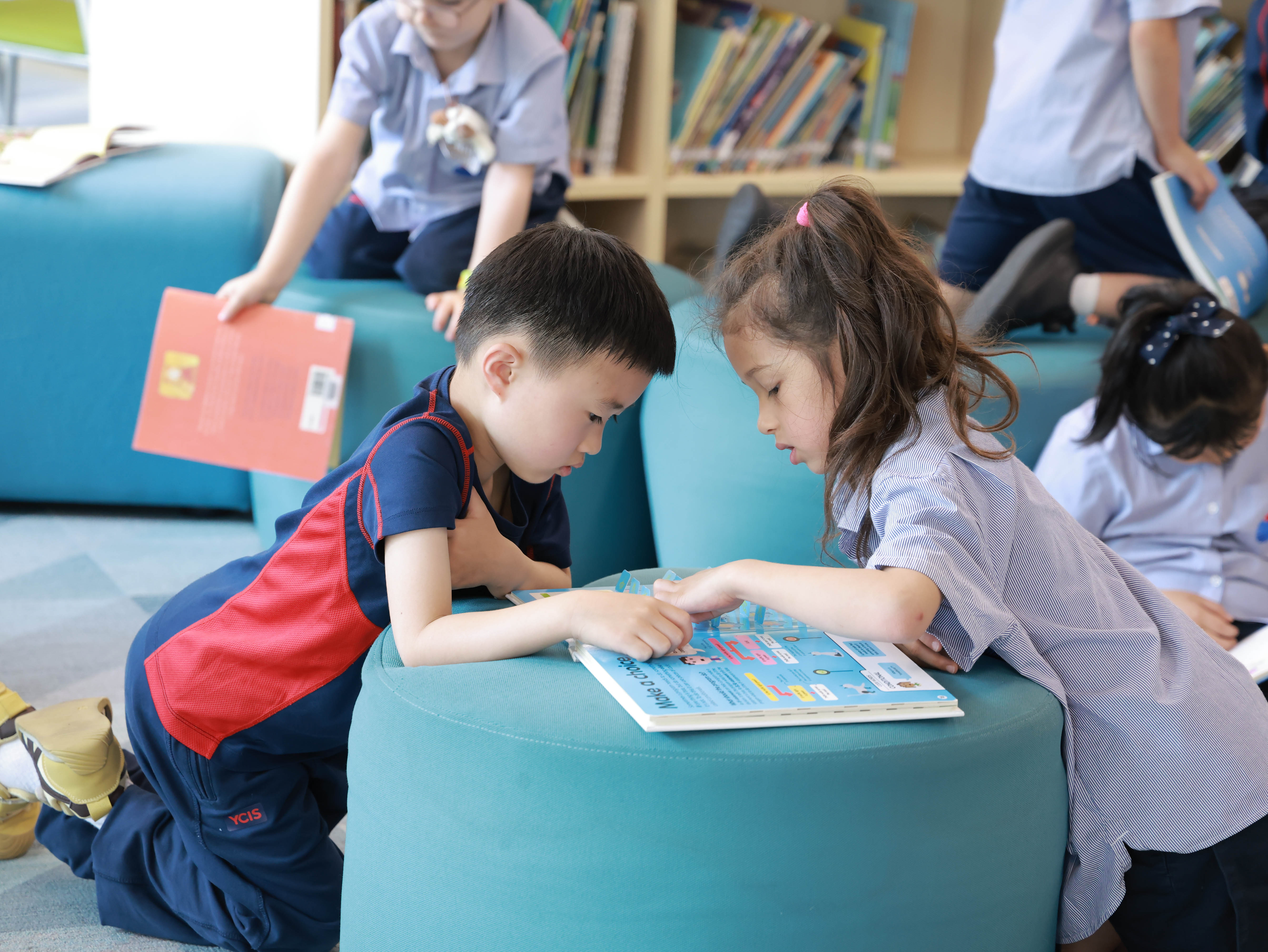
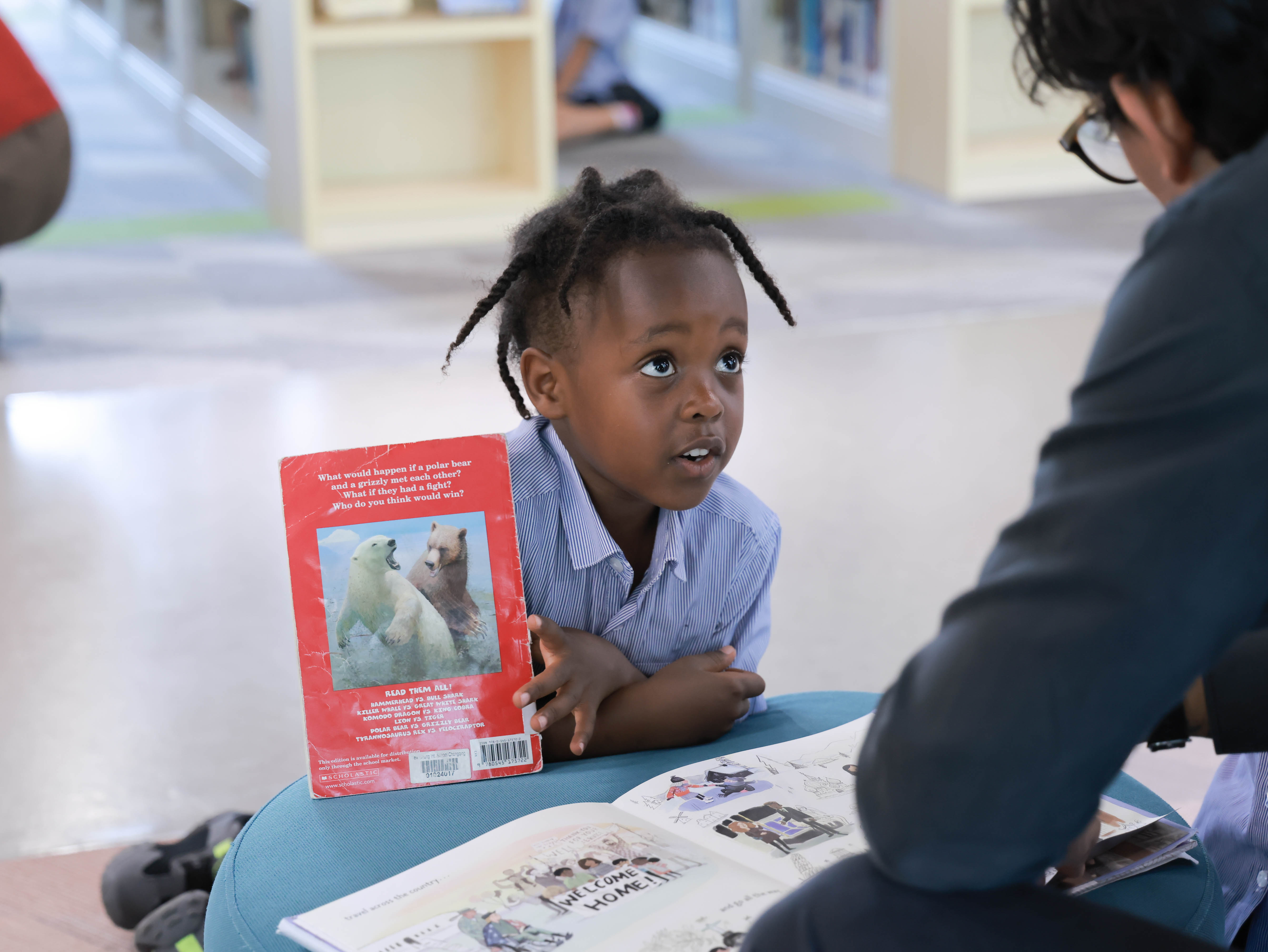
- The Global Learning Centre (GLC): At the heart of our literacy ecosystem is our continuously updated GLC—a modern, vibrant hub stocked with contemporary, cutting-edge titles that inspire inquiry, celebrate diverse voices, and nurture a lifelong love for reading.
From precise diagnostic data to mother-tongue scaffolding—supporting students who need an intentional boost while extending those ready for deeper challenges—YCIS Primary pursues Strong Academic Foundations and Holistic Development.
When every child can express themselves clearly and engage the world in English on a pathway designed for their needs, they gain the academic competence and self-assurance needed to thrive in any future landscape.



YCIS Chongqing is a Child-Safe School
Click HERE for our Child Protection Policies and Procedures
© Yew Chung International School of Chongqing 2022. All rights reserved


